
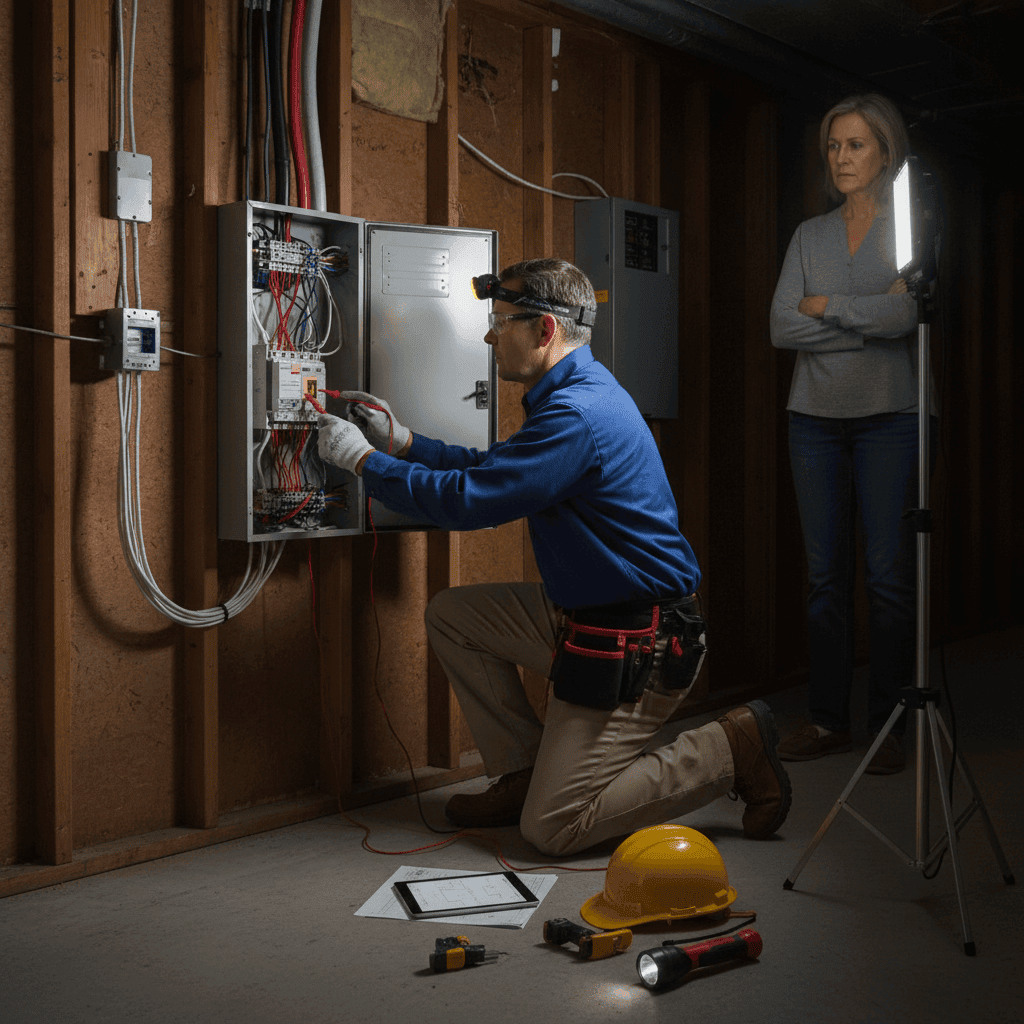
Ensuring the electrical safety of your home is not just about keeping the lights on. It is about protecting your family and your property from serious dangers. Over time, the wiring in any house can degrade or become outdated, creating hidden risks that are not always obvious to the untrained eye. This is why residential wiring safety inspections are so important.
I have seen firsthand how easily electrical problems can escalate when they go unnoticed. Issues like old wiring, faulty outlets, or overloaded circuits can lead to anything from minor inconveniences to devastating electrical fires. A thorough inspection helps identify these potential hazards long before they become critical.
I believe every homeowner deserves peace of mind knowing their electrical system is sound. Our goal is to provide clear, reliable information about how these inspections work and why they are a necessary part of home maintenance. We want to empower you with the knowledge to keep your home safe and secure.
Understanding Residential Wiring Safety Inspections
Residential wiring safety inspections are detailed assessments of your home’s electrical system. A certified electrician checks everything from the service panel to individual outlets and switches. We look for any signs of wear, damage, or improper installation that could pose a risk. This service is essential for older homes where wiring may not meet current safety standards.
Many homeowners do not think about their wiring until a problem arises, but waiting can be dangerous. Proactive inspections help catch issues like aluminum wiring, knob and tube wiring, or circuits that are drawing too much power. These hidden problems can be very serious.
When we perform an inspection, we follow a systematic approach. We do not just glance at things. We delve into the details to make sure every part of your electrical setup is working correctly and safely. This process is about more than just compliance it is about your safety.
What We Look For During an Inspection
During a residential wiring safety inspection, we focus on several key areas. We start with the electrical panel, checking for proper labeling, correct breaker sizes, and any signs of overheating. The main service entrance cables are also examined for damage or deterioration.
Next, we move to the wiring throughout the home. We inspect visible wiring in attics, basements, and crawl spaces for frayed insulation, improper connections, or potential rodent damage. This includes making sure all junction boxes are covered and securely fastened.
We also test a representative sample of outlets and switches in each room. This includes checking for correct polarity, proper grounding, and the functionality of GFCI and AFCI breakers. These specialized breakers are vital for preventing shocks and electrical fires in areas like kitchens, bathrooms, and bedrooms. We make sure they respond quickly to faults.
Signs Your Home Needs a Wiring Inspection
Sometimes your home will give you clear hints that something is wrong with its electrical system. Paying attention to these signs can help you prevent a small issue from turning into a major emergency. Flickering lights are one of the most common indicators.
If lights in certain rooms dim or flicker frequently, especially when you turn on other appliances, it could mean you have overloaded circuits or loose wiring connections. This problem is not just annoying it is a safety concern that needs prompt attention. I often see this in older homes where the original wiring struggles to handle modern power demands.
Another major red flag is tripping circuit breakers. Breakers are designed to trip when a circuit is overloaded, preventing overheating and potential fires. If your breakers trip often, it means they are doing their job, but it also signals a persistent problem in your electrical system that needs to be addressed.
Other Warning Signs to Watch For
Any strange smells coming from outlets or switches should immediately alert you. A burning odor, often described as a fishy smell, points to overheated wiring or electrical components. This smell indicates a very dangerous situation that requires immediate investigation.
Warm or discolored outlets and switch plates are also serious indicators of problems. Heat around these fixtures means the wiring behind them might be overheating, which is a significant fire risk. We often see discoloration from excessive heat, so it is important to be aware of these changes.
Lastly, if your home is more than 40 years old and has not had a recent electrical inspection, it is almost certainly time for one. Older homes often have outdated wiring like knob and tube or aluminum, which do not meet today’s safety standards and can be very hazardous. Many insurance companies require these older homes to be inspected.
The Electrical Inspection Process Explained
When we arrive for a residential wiring safety inspection, we approach it systematically. My team and I start by gathering information about your home’s electrical history and any concerns you might have. This helps us tailor our inspection to your specific needs.
The first step typically involves a visual assessment of your electrical panel. We check for proper wire gauges, secure connections, and any signs of corrosion or moisture. The main breakers are examined to ensure they are correctly rated for your home’s electrical service. I have seen many instances where improper breaker sizing has put homes at risk.
After the panel, we move through each area of your home. We use specialized testing equipment to check voltage levels and grounding integrity at outlets. We also confirm that all safety devices, like GFCI and AFCI receptacles and breakers, are functioning as they should be. It is a thorough process designed to leave no stone unturned.
Key Areas and Tools We Use
We pay close attention to high-risk areas such as kitchens, bathrooms, laundry rooms, and outdoor spaces where water exposure is more likely. In these locations, properly working GFCI outlets are critical for preventing electrical shock. We will test these devices to ensure they trip quickly when a fault is detected.
For circuit integrity, we use circuit testers that can detect common wiring faults like open grounds, open neutrals, or reversed polarity. These testers provide instant feedback on the condition of your outlets. We also use thermal imaging cameras in some cases to spot hidden hot spots behind walls or within the electrical panel, indicating overloaded circuits or loose connections.
Finally, we document all our findings, noting any deficiencies or safety concerns. We then provide you with a detailed report and discuss our recommendations. We always make sure you understand the scope of work needed and why it is important for your home’s safety.
Benefits of Regular Electrical Safety Checks
Regular residential wiring safety inspections offer many benefits beyond just meeting code requirements. The most important one is fire prevention. Electrical fires are a significant risk, often caused by faulty wiring, overloaded circuits, or outdated electrical components. An inspection can find these issues before they cause a disaster.
By identifying and fixing potential problems, you protect your family and your property from harm. This kind of proactive maintenance saves lives. It also helps prevent extensive damage to your home, which can be very costly and emotionally taxing to repair.
Another benefit is enhanced home value. A well-maintained electrical system is a selling point for any home. When potential buyers see that your electrical system has been professionally inspected and deemed safe, it adds confidence and value to your property. This can make your home more attractive in the market.
Saving Money and Gaining Peace of Mind
Regular safety checks can also lead to significant energy savings. Outdated or inefficient wiring can cause energy loss, making your electrical system work harder and consume more power. Identifying and upgrading these components can lower your utility bills. We can also suggest energy-efficient upgrades during our inspection.
Ultimately, a professional residential wiring safety inspection gives you incredible peace of mind. Knowing that your home’s electrical system is safe and up to current standards reduces worry about hidden dangers. This comfort is invaluable, allowing you to enjoy your home without constant concern.
These checks also help you stay compliant with local electrical codes and insurance requirements. Many insurance companies may offer lower premiums for homes that have had recent electrical safety inspections, because they see it as a reduced risk. It is a smart choice for your wallet and your safety.
Common Electrical Hazards We Find
In my many years performing residential wiring safety inspections, I have come across several common electrical hazards. These issues often go unnoticed by homeowners but pose significant risks. One major concern is outdated wiring materials.
Many older homes still have knob and tube wiring or aluminum wiring. Knob and tube wiring, common in homes built before the 1940s, lacks a ground wire and has insulation that can become brittle over time. Aluminum wiring, used in some homes from the 1960s to the mid-1970s, can expand and contract more than copper, leading to loose connections and fire hazards. We find these issues frequently during our inspections, and they are always high on our list for recommendation.
Another prevalent hazard is overloaded circuits. With modern homes having more electronic devices than ever, older electrical systems can struggle to keep up. Plugging too many high-power appliances into a single circuit can cause wires to overheat, trip breakers, and potentially start a fire. We identify these situations and suggest solutions like adding new circuits.
Dangerous DIY Wiring and Improper Grounding
I also regularly encounter wiring installed by non-professionals. DIY electrical work, while well-intentioned, often does not meet safety codes and can create dangerous situations. Incorrectly wired outlets, improperly sized conductors, or ungrounded systems are common issues that stem from untrained installations. It is always safer to have a licensed electrician handle any wiring tasks.
Improper grounding or a complete lack of grounding is another serious hazard. Grounding provides a safe path for electricity to flow in case of a fault, preventing shocks and protecting appliances. Without proper grounding, the risk of electrocution significantly increases. Many older homes were built before grounding was a standard requirement.
We often find exposed wiring, especially in attics or basements, which can be easily damaged or accidentally touched. This presents an immediate shock risk. Correctly installed and protected wiring is crucial for overall home safety. Our inspections ensure these critical details are not overlooked.
Choosing a Qualified Electrician for Your Residential Wiring Safety Inspections
When it comes to something as vital as residential wiring safety inspections, selecting the right professional is key. You would not trust your health to just anyone, and your home’s electrical system deserves the same level of care. Always look for a licensed and certified electrician.
Licensing ensures that the electrician has met specific training and experience requirements set by state or local authorities. Certification often means they have passed additional examinations, proving their expertise in electrical safety and code compliance. This credentialing shows a commitment to high standards in the trade.
Experience also matters a great deal. An electrician with many years in the field has encountered a wide range of electrical systems and problems. They can quickly identify subtle signs of trouble that a less experienced individual might miss. We bring a wealth of knowledge from countless inspections, giving you confidence in our findings.
What to Consider When Hiring an Electrician
A good electrician will have a strong local reputation. Check online reviews and ask for references from past clients. What others say about their professionalism, reliability, and quality of work can tell you a lot. We pride ourselves on transparent communication and thorough service, building trust with every homeowner.
Make sure the electrician provides a clear, detailed report after the inspection. This report should outline any issues found, explain their severity, and suggest actionable recommendations for repairs or upgrades. It should also be easy to understand, even for someone without electrical expertise. You need to know what you are paying for and what needs to be done.
Finally, ensure the electrician is insured. This protects you in case of any accidental damage during the inspection process. It is a critical layer of protection for both you and the professional. When you choose us, you are choosing peace of mind and the highest standard of electrical safety service. You can learn more on that here.
Prioritizing Your Home’s Electrical Health
Residential wiring safety inspections are a fundamental part of responsible homeownership. I have walked you through the critical reasons why these checks are not just an option but a necessity. We have discussed how an aging electrical system can pose serious fire hazards and how various warning signs like flickering lights or frequently tripping breakers signal underlying issues. Understanding the inspection process and the common dangers we uncover helps homeowners make informed decisions about their property’s safety. The benefits extend far beyond just safety they include improved energy efficiency, increased home value, and the invaluable peace of mind that comes from knowing your family is protected.
Ensuring your home’s electrical health is an investment that truly pays off in the long run. It prevents costly repairs, reduces energy waste, and most importantly, safeguards against life-threatening accidents. Do not wait for a problem to force your hand. Be proactive in protecting your home and everyone in it. I encourage you to prioritize a professional residential wiring safety inspection today. Reach out to a qualified electrician in your area to schedule this essential service and take the first step towards a safer, more secure home environment.