
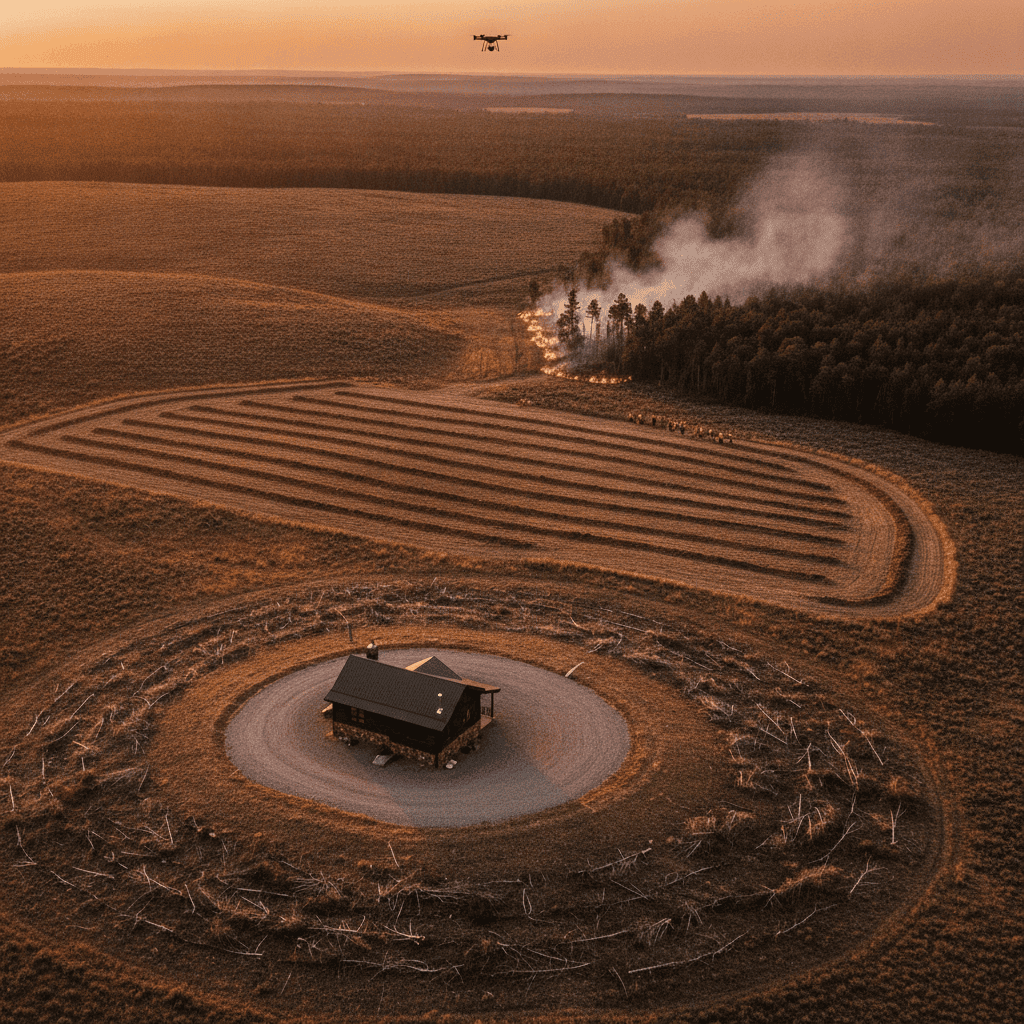
Owning remote land offers a special kind of freedom and peace. I know the feeling of having my own quiet space, away from the everyday hustle. But with that freedom comes a serious responsibility, especially when it comes to the ever-present danger of wildfires. These destructive forces can change landscapes in moments, turning years of planning and dreams into ash. I have seen firsthand how quickly a small spark can become an uncontrollable blaze, threatening everything in its path.
Protecting your remote property from wildfire is not just about luck. It requires careful planning, consistent effort, and a deep understanding of the risks involved. I believe every landowner should be equipped with the knowledge and tools to defend their acreage. This article will walk you through practical steps and important considerations so you can effectively prepare and discover more about safeguarding your remote land from this natural threat.
We are going to look at everything from creating fire-resistant zones around your structures to understanding community resources. My goal is to give you a clear roadmap for strengthening your property’s resilience against wildfires, ensuring your peace of mind and the safety of your investment.
Understanding the Wildfire Threat to Remote Properties
Remote properties are often nestled in areas that are naturally more vulnerable to wildfires. I have noticed these lands typically feature extensive natural vegetation, often dense forests or dry grasslands. This kind of environment provides abundant fuel for a fire. When a blaze starts, whether from a lightning strike or human activity, it can spread quickly through these fuel sources, making it very hard to control.
Another factor is access. Firefighters and emergency services face significant challenges reaching remote locations. Lack of paved roads, limited water sources, and distance from fire stations mean that initial response times can be longer. This delay allows fires to grow larger and more intense, compounding the danger. I always tell folks that in remote areas, you might be your own first responder for critical minutes or even hours, and that makes preparation even more important.
The climate crisis also plays a big role. We are seeing hotter, drier conditions and prolonged droughts in many regions. These changes extend fire seasons and make vegetation more flammable. As a result, wildfires are becoming more frequent, larger, and more destructive, pushing the need for robust prevention measures to the forefront for all remote landowners.
Creating a Defensible Space Around Structures
A defensible space is simply an area around your home or other structures that is designed to slow or stop the spread of wildfire. It creates a buffer zone where firefighters can safely operate and protect your property. I think of it as your first line of defense, a critical element in any wildfire safety plan. This space involves carefully managing vegetation and other flammable materials.
This critical zone is usually broken down into three main areas, each with specific guidelines. By understanding these zones, you can tailor your efforts to maximize protection. It is a continuous process, not a one-time task, because vegetation grows and conditions change with the seasons.
Zone 1: Immediate Protection (0-5 feet from structures)
This zone is the most important one, the area immediately next to your house. I always make sure this space is completely free of anything that can burn. This includes leaves, needles, firewood piles, and any flammable landscaping materials. You want to use non-combustible materials here, like concrete or gravel, for pathways and patios.
Check under your deck and around windows. Clear out any dead plants, and keep your gutters free of debris. Even a small ember can land here and start a fire, so a clean zone is truly essential. I also look at any outdoor furniture or propane tanks and make sure they are not too close to the house.
Zone 2: Reduced Fuel Area (5-30 feet from structures)
Moving outward, Zone 2 requires careful management of vegetation. Here, the goal is to reduce the amount of fuel a fire can feed on. I recommend thinning trees and shrubs, creating good spacing between them. You should prune tree branches up to 6-10 feet from the ground, removing any low-hanging limbs that could catch fire easily.
Keep your grass mowed short, especially during dry seasons. Replace highly flammable plants with fire-resistant varieties. This does not mean removing all plants, but choosing wisely and maintaining them well. I look for plants that have high moisture content and do not accumulate dead material quickly.
Zone 3: Extended Fuel Reduction (30-100 feet from structures, or to property line)
This outer zone focuses on further reducing the intensity of a wildfire before it reaches your inner defenses. It extends out to 100 feet from your home, or to your property line if it is closer. I suggest thinning and spacing trees and shrubs even more in this area, but not necessarily clearing everything out.
Remove small trees and shrubs that could act as a ladder for fire to climb into taller trees. Clear out dead and dying vegetation, fallen branches, and excessive leaf litter. The goal is to interrupt the continuous path of fuel. This allows firefighters more options and slows the fire’s progress, buying crucial time.
Managing Vegetation and Fuels Across Your Entire Property
Beyond the immediate defensible space, managing the broader landscape of your remote land is crucial. This larger effort helps prevent fires from even starting on your property and slows any fire approaching from neighboring areas. I view this as a holistic approach to land management, thinking about the entire ecosystem.
One key strategy involves strategic thinning of forests. Removing overcrowded trees reduces competition for resources and creates healthier, more fire-resistant stands. We also focus on removing ladder fuels, which are smaller plants and low branches that allow fire to climb from the ground into tree canopies. This reduces the chance of a crown fire, which is extremely difficult to control.
Controlling invasive species is another important task. Many invasive plants, like cheatgrass, are highly flammable and spread quickly, providing a continuous fuel bed. I work to identify and remove these species, replacing them with native, less flammable alternatives. This not only helps with fire safety but also restores ecological balance to the land.
Implementing Fire-Resistant Building Materials and Design
When you own remote land with structures, the materials you choose for building or renovating can make a big difference in wildfire resilience. I have learned that even the most well-maintained defensible space can be overwhelmed if a home is built with highly flammable materials. It is about creating a structure that can withstand embers and direct flame contact for a short period.
The roof is often the most vulnerable part of a home during a wildfire. Embers can travel long distances and ignite roofs made of wood shakes or other combustible materials. I always recommend using fire-resistant roofing, like asphalt shingles, metal, or tile. These materials significantly reduce the chance of ignition from embers, which are a common cause of home ignitions in wildfires.
Siding materials also matter. Options like stucco, fiber cement, or treated lumber are much more resistant to fire than untreated wood siding. Windows should ideally be double-paned with tempered glass to resist cracking from heat. Small openings like vents should be covered with fine mesh screening to prevent embers from entering the attic or crawl space, as I have seen many homes lost because embers got in through these openings.
Developing an Emergency Wildfire Action Plan
Even with all prevention efforts, a wildfire can still threaten your property. That is why having a clear emergency action plan is non-negotiable for remote landowners. I always tell people that preparation starts long before smoke is on the horizon. A solid plan gives you peace of mind and ensures everyone knows what to do when seconds count.
My plan includes designated evacuation routes, both primary and secondary, from the property. I make sure these routes are cleared and passable, especially for larger vehicles. It is also important to have a communication strategy. This means knowing how you will receive alerts and how you will contact family members if you become separated. I keep a list of emergency contacts readily available, including local fire departments and utility companies.
Understanding local warning systems and evacuation procedures is another key component. Many areas have reverse 911 systems, emergency apps, or designated radio frequencies for wildfire alerts. I sign up for all available alerts and make sure I understand the different levels of evacuation orders. This knowledge helps me make informed decisions quickly.
Assembling Your Emergency Kit
An emergency kit is a must-have for any remote property owner. I call it my go-bag, something ready to grab at a moment’s notice. This kit should contain essentials for at least 72 hours, or even longer for remote areas. It is designed to sustain you and your family if you need to evacuate quickly or if you are isolated without power or services.
- Water and non-perishable food for each person and pet
- First aid kit and any prescription medications
- Copies of important documents: identification, insurance, property deeds
- Battery-powered or hand-crank radio with extra batteries
- Flashlight with extra batteries
- Whistle to signal for help
- Dust masks and goggles
- Personal hygiene items
- Cash and emergency contact information
- Change of clothes for each person
I keep this kit in an easily accessible location, like near a door or in my vehicle. I also check it twice a year, usually when daylight saving time changes, to refresh food and water, check battery life, and update any medications or documents.
Essential Tools and Equipment for Wildfire Prevention and Response
Having the right tools and equipment on hand can significantly enhance your ability to prevent and respond to wildfires. I know that for remote land, you often cannot rely on immediate external help, so being self-sufficient is a huge advantage. These items should be maintained and stored in an easily accessible location.
A reliable water source is paramount. If you have a well, I suggest having a backup generator to power the pump in case of electricity loss. A high-pressure pump and enough hose to reach all parts of your property are also crucial. I have invested in hoses long enough to wet down the perimeter of my structures and the defensible space.
Hand tools are also incredibly useful for quick response and ongoing maintenance. I keep a dedicated set of tools for fire preparedness. These tools help create firebreaks, clear vegetation, and manage fuel sources around my property, ensuring that I am ready for any situation.
- Shovels, especially round point and flat head types
- Rakes, including sturdy leaf rakes and fire rakes
- Axes or Pulaskis for cutting through brush and small trees
- Chainsaw with extra fuel and safety gear
- Buckets for carrying water
- Protective clothing: heavy gloves, long-sleeved shirts, pants, sturdy boots, and eye protection
Collaborating with Local Fire Agencies and Community Efforts
Protecting remote land from wildfires is not a solo effort. I have learned that working with local fire agencies and participating in community programs can multiply your effectiveness and provide invaluable support. Fire knows no property lines, so a community-wide approach makes everyone safer. These partnerships bring expertise and resources that individual landowners might not have.
Many areas have programs like Firewise USA, which helps neighborhoods organize and implement wildfire mitigation efforts. I find that these programs offer excellent guidance on creating community defensible spaces and educating residents. They also help foster a sense of shared responsibility, which is powerful in a crisis. Connecting with neighbors to discuss shared risks and coordinate efforts can create a strong network of support.
I also make it a point to establish a relationship with my local fire department. They can offer personalized advice for your property, conduct home assessments, and provide information on local fire hazards. Often, they can suggest specific vegetation management techniques or identify high-risk areas unique to your terrain. Their expertise is a critical resource for anyone looking to seriously protect their land.
Conclusion: Taking Proactive Steps for Long-Term Safety
Safeguarding your remote land against wildfire is a continuous commitment, but it is one that offers immense rewards in peace of mind and protection. I have walked through the key steps involved, from establishing defensible spaces and managing broad fuel loads to making smart building material choices and preparing a thorough emergency plan. Each piece of this puzzle contributes to a more resilient property, lessening the likelihood of devastation when a wildfire approaches. Remember that the unique vulnerabilities of remote properties demand a proactive and well-thought-out strategy. Climate changes mean we must be more vigilant than ever, adapting our methods to new challenges. By understanding the threats and implementing these practical solutions, you are not just protecting your structures; you are preserving the natural beauty and value of your land for years to come. I strongly urge you to begin evaluating your property today and to start implementing these vital safety measures. Every action you take makes a difference in building a more secure future for your cherished remote space.